• Abu Nasr Al-Farabi (872 – 950) :
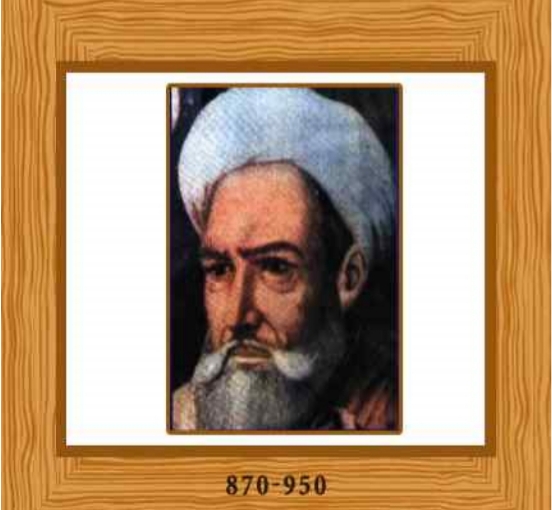
Abu Nasr Muhammad al-Farabi was one the earliest Islamic intellectuals who was instrumental in transmitting the doctrines of Plato and Aristotle to the Muslim world. He had a considerable influence on the later Islamic philosophers such as Avicenna.
He was an outstanding linguist who translated the Greek works of Aristotle and Plato and made considerable additions to them of his own.
He earned the nickname Mallim-e-Sani, which is translated as “second master” or “second teacher”.
• Al-Battani (858 – 929) :
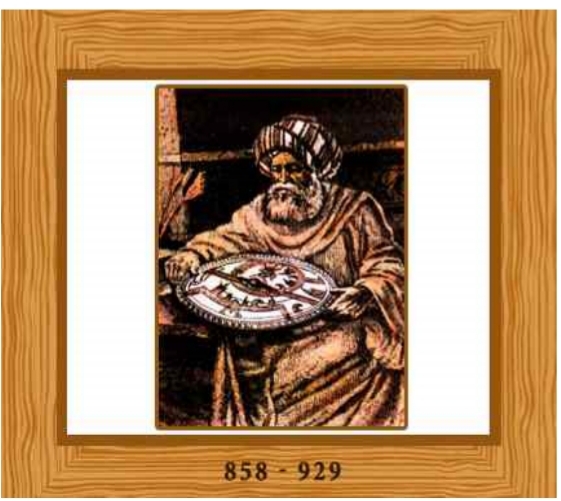
Al-Battani is sometimes known by a Latinized version of his name, being Albategnius, Albategni or Albatenius. His full name was Abu Abdallah Mohammad ibn Jabir ibn Sinan al-Raqqi al-Harrani al-Sabi al-Battani.
Al-Battani’s father was Jabir ibn Sinan al-Harrani who had a high reputation as an instrument maker in Harran. The name makes the identification certain that al-Battani himself was skilled in making astronomical instruments and there is a good indication that he learnt these skills from his father.
• Ibn Sina (980 – 1037) :
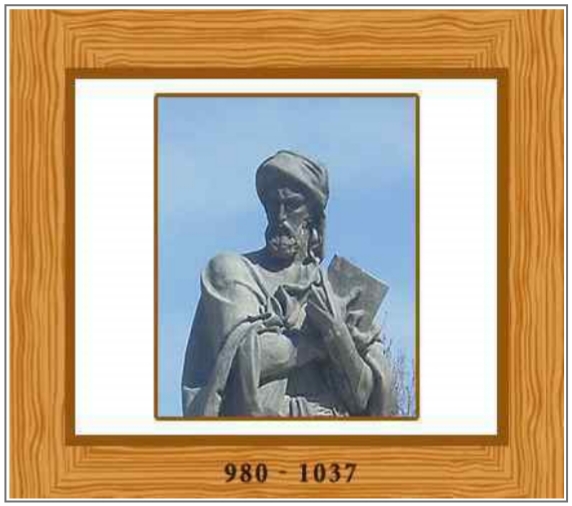
Also popularly known as ‘Avicenna’, Ibn Sina was indeed a true polymath with his contributions ranging from medicine, psychology and pharmacology to geology, physics, astronomy, chemistry and philosophy. He was also a poet, an Islamic scholar and theologian.
His most important contribution to medical science was his famous book Al Qanun Fi Al-Tibb (The Canon of Medicine). This book is an immense five volume encyclopedia of medicine containing over a million words. It comprises of medical knowledge available from ancient and Muslim sources. His other major work is “The Book of Healing”, a scientific and philosophical encyclopedia.
• Ibn Battuta (1304 – 1369) :
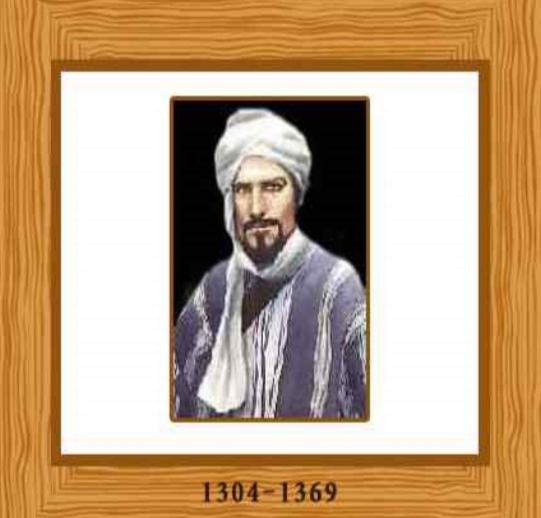
Abu Abdullah Muhammad Ibn Battuta was a Moroccan Muslim scholar and traveler. He was known for his traveling and undertaking excursions called the Rihla. His journeys lasted for a period of almost thirty years, covering nearly the whole of the known Islamic world and beyond. They extended from North Africa, West Africa, Southern Europe and Eastern Europe in the West, to the Middle East, Indian subcontinent, Central Asia, Southeast Asia and China in the East, a distance readily surpassing that of his predecessors. After his travels he returned to Morocco and gave his account of the experience to Ibn Juzay.
• Ibn Rushd (1126 – 1198) :
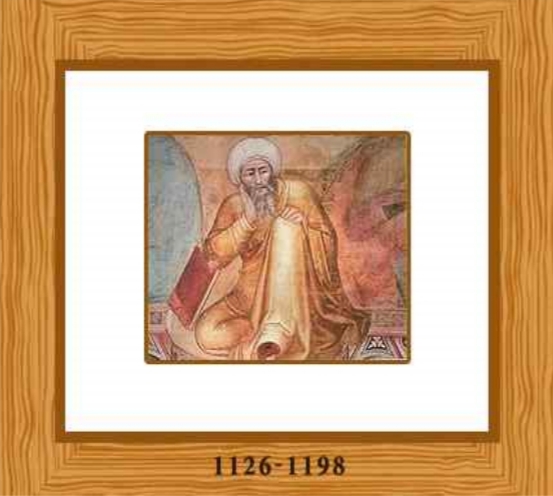
Abu Walid Mohammad Ibn Rushd, born in 1128 C.E. in Cordova, Spain, has been held as one of the greatest thinkers and scientists of history. His name is often Latinized as Averroes. A product of twelfth-century Islamic Spain, he set out to integrate Aristotelian philosophy with Islamic thought. A common theme throughout his writings is that there is no inappropriateness between religion and philosophy when both are properly understood.
His contributions to philosophy took many forms, ranging from his detailed commentaries on Aristotle, his defense of philosophy against the attacks of those who condemned it as different to Islam and his construction of a form of Aristotelianism which cleansed it, as far as was possible at the time, of Neoplatonic influences.
• Muhammad ibn Musa Al-Khwarizmi (780 – 850) :
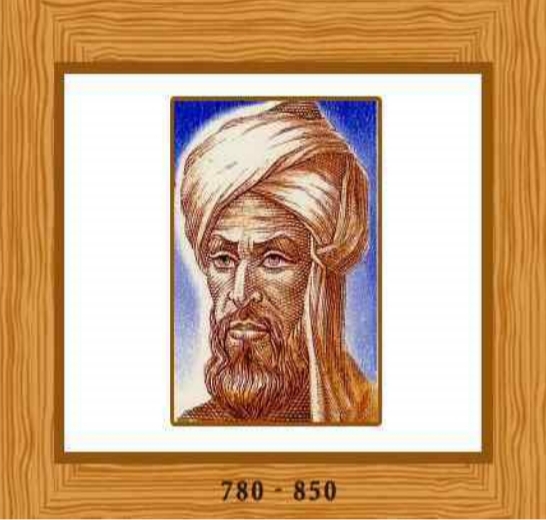
Muhammad ibn Musa al-Khwarizmi was a Persian mathematician, astronomer, astrologer geographer and a scholar in the House of Wisdom in Baghdad. He was born in Persia of that time around 780. Al-Khwarizmi was one of the learned men who worked in the House of Wisdom. Al-Khwarizmi flourished while working as a member of the House of Wisdom in Baghdad under the leadership of Kalif al-Mamun, the son of the Khalif Harun al-Rashid, who was made famous in the Arabian Nights. The House of Wisdom was a scientific research and teaching center.
• Omar Khayyam (1048 – 1131) :
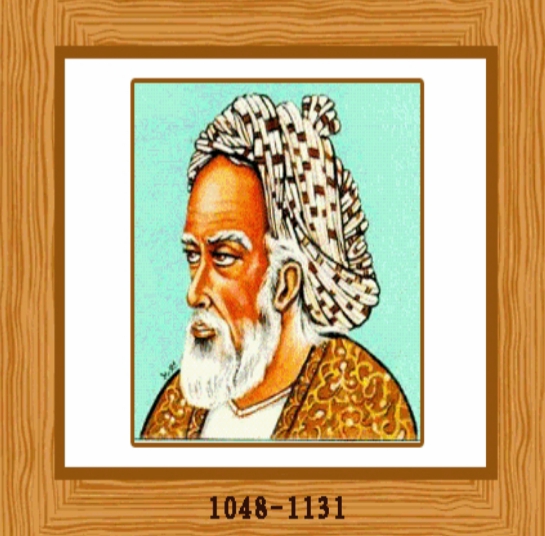
In the year 1072 AD, Omar Khayyam documented the most accurate year length ever calculated – a figure still accurate enough for most purposes in the modern world. Khayyam was an astronomer, astrologer, physician, philosopher, and mathematician: he made outstanding contributions in algebra. His poetry is better known in the West than any other non-Western poet.
The man himself remains something of an enigma. Different biographers have documented him as a fun-loving, wine-drinking agnostic; a closet Zoroastrian; a Sufi Muslim; an orthodox Sunni Moslem; and a follower of Ancient Greek philosophy. All agree that he was an outstanding intellectual.
• Thabit ibn Qurra (826 – 901) :
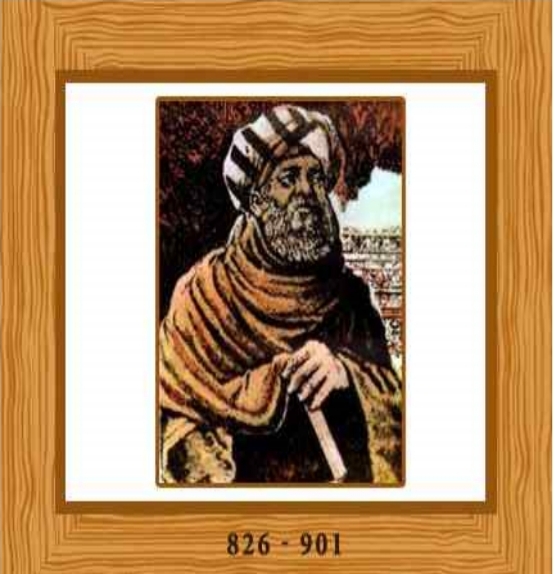
Al-Sabi Thabit ibn Qurra al-Harrani (836 –901) was an astronomer and mathematician born in present day Turkey, best known for translating classic Greek works on astronomy, and discovered an equation for determining the amicable numbers. He was a Mandean physician, who was known as Thebit in Latin.
• Abu Bakr Al-Razi (865 – 925) :
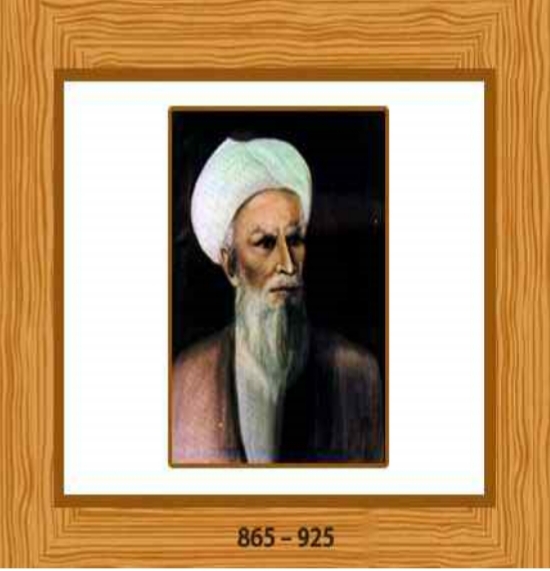
Also known as Rhazes. Persian alchemist and philosopher, who was one of the greatest physicians in history.
• Jabir Ibn Haiyan (722 – 804) :
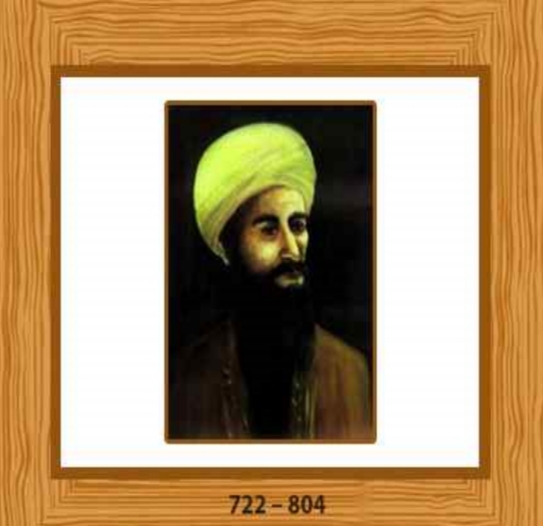
Also known as Geber. The father of Arab chemistry known for his highly influential works on alchemy and metallurgy.
• Ibn Ishaq Al-Kindi (801 – 873) :
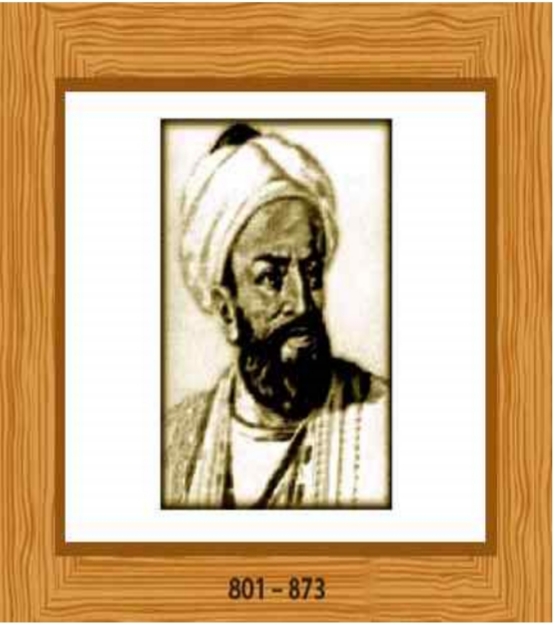
Also known as Alkindus. Arab philosopher and scientist, who is known as the first of the Muslim peripatetic philosophers.
• Ibn Al-Haytham (965 – 1040) :
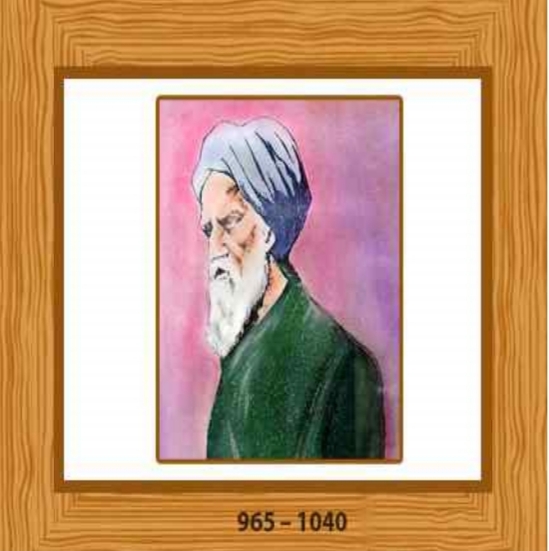
Also known as Alhazen. Arab astronomer and mathematician known for his important contributions to the principles of optics and the use of scientific experiments.
• Ibn Zuhr (1091 – 1161) :
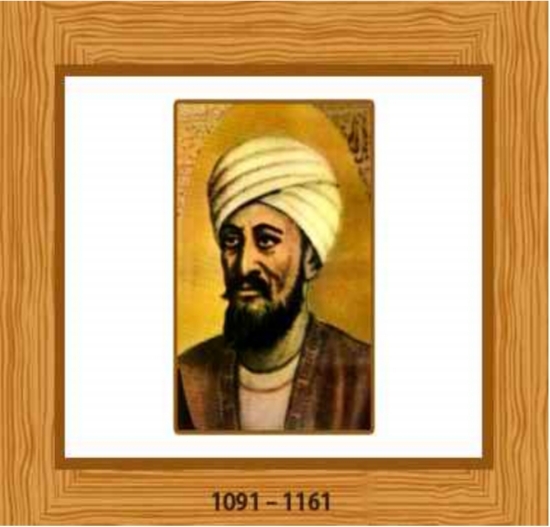
Also known as Avenzoar. Arab physician and surgeon, known for his influential book Al-Taisir Fil-Mudawat Wal-Tadbeer (Book of Simplification Concerning Therapeutics and Diet).
• Ibn Khaldun (1332 – 1406) :
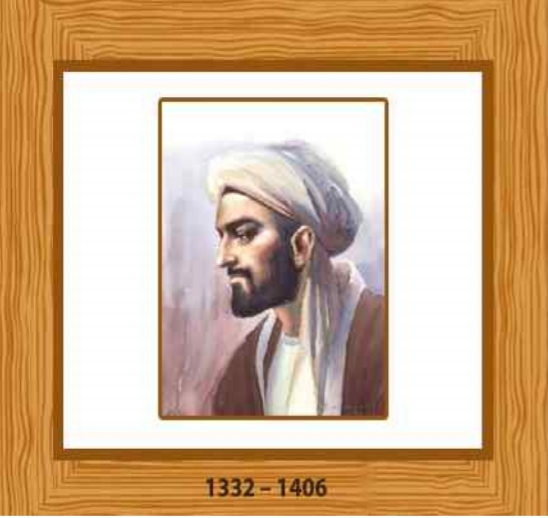
Arab historiographer and historian who developed one of the earliest nonreligious philosophies of history. Often considered as one of the forerunners of modern historiography, sociology and economics.
• Ibn Al-Baitar (1197 – 1248) :
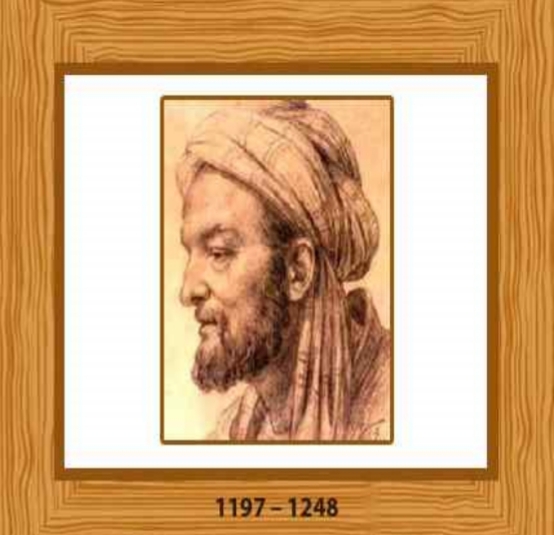
Arab scientist, botanist and physician who systematically recorded the discoveries made by Islamic physicians in the Middle Ages.
 Technology