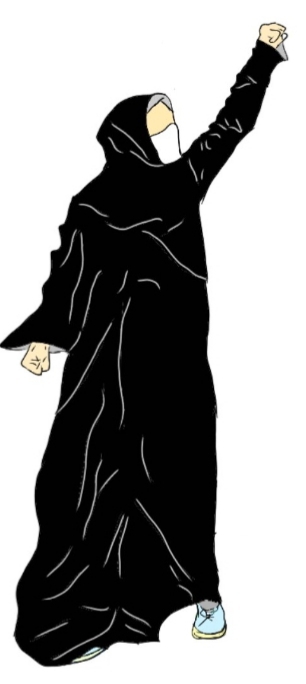
💫 Such a miracle of Mohammad(PBUH) in front of which technology is amazing 💫 :

The Prophets and Messengers that came before us, were sent to guide humanity to the true religion of Allah. They all had the same job which is to teach people how to worship Allah and lead a righteous life. They taught this through exemplifying true sincerity and honesty in every action they did so much so that even their enemies considered them as honest and trustworthy people. These traits that Allah has instilled in them are very important as they serve as a backbone to their claims about the unseen. Allah also attributed miracles to them to remove any doubts that these men were not sent by Allah. Many of these miracles were explicitly mentioned in the Quran which means that as Muslims we must confirm that these events did in fact take place. The Prophet Muhammad ﷺ was no exception, he performed miracles that cannot be possible for any other human being to perform without the help of Allah.

1 – Prophet Muhammad’s Miracle of the moon splitting :
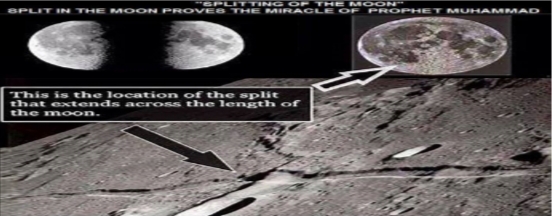
When the unbelievers challenged the Prophet to perform a miracle. He pointed towards the moon and by the will of Allah, it split into two.

After some time of staying in that state, it eventually converged back to its original state. Although the disbelievers saw this event take place right in front of them as clear as crystal they still disbelieved calling the Prophet a magician.

2 – Prophet Muhammad’s miracle of Isra and Miraj :

This miracle refers to the night journey Muhammad made with the angel Gabriel. He Went from Mecca to Jerusalem. From there he ascended up to the heavens to hold a Communion with Allah. By the time he returned to Mecca it was still night time.

3 – Prophet Muhammad’s miracle of the tree that cried :
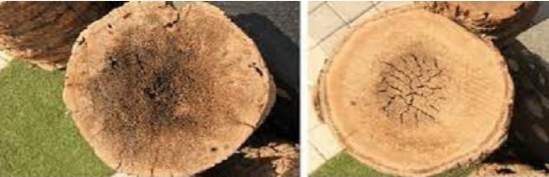
The Prophet ﷺ would rest against a dried trunk and would deliver his sermons from there. When the Prophet’s companions finally built him a pulpit to give the Sermon from, he heard a sound that resembled the crying of a baby camel. He went Down from the pulpit and made his way to the tree to embrace it.

‘The Prophet (ﷺ) used to stand by a stem of a date-palm tree (while delivering a sermon). When the pulpit was placed for him we heard that stem crying like a pregnant she-camel till the Prophet (ﷺ) got down from the pulpit and placed his hand over it.’ Sahih al-Bukhari

4 – Prophet Muhammad’s miracle of water that flowed from his hands :
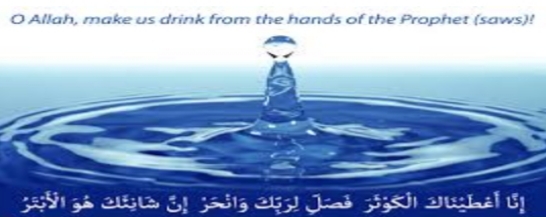
On the day of Al-Hudaibiya (Treaty), the people became very thirsty. After completing the ablution, the people had rushed towards the Prophet ﷺ. He asked what was the matter with them. The replied that they had no water for ablution or drinking except a small pot of water which clearly wasn’t enough for them. So he then placed his hand into the pot and water started to flow from his fingers like a spring. Everyone drank and performed ablution that day.

“The people became very thirsty on the day of Al-Hudaibiya (Treaty). A small pot containing some water was in front of the Prophet (ﷺ) and when he had finished the ablution, the people rushed towards him. He asked, ‘What is wrong with you?’ They replied, ‘We have no water either for performing ablution or for drinking except what is present in front of you.’ So he placed his hand in that pot and the water started flowing among his fingers like springs. We all drank and performed ablution (from it).” I asked Jabir, “How many were you?” he replied, “Even if we had been one-hundred-thousand, it would have been sufficient for us, but we were fifteen-hundred.” [Sahih al-Bukhari]

5 – Prophet Muhammad’s miracle of the wedding dinner :
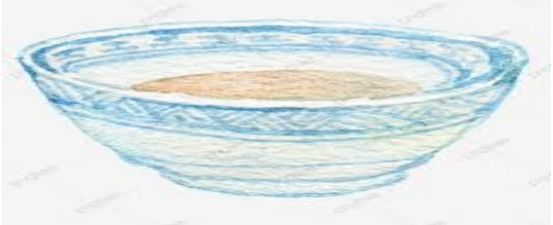
When the Prophet ﷺ consummated his marriage to Zaynab bint Jahsh (may Allah be pleased with her) Anas bin Malik’s mother Umm Sulaim made them ‘Hais’ (a mixture of pure Madinah dates) only enough for the Prophet ﷺ and his wife. When the prophet ﷺ received the dish from Anas bin Malik, He told him to invite so many companions that the narration mentioned about 300 companions were invited that day. He fed all of his guests until they were full. Once they were done the Prophet ﷺ told Anas bin Malik to take the dish away. As he took the dish away he couldn’t tell whether the dish was the same when he delivered it or increased in its capacity.

“The Messenger of Allah got married and consummated the marriage with his wife.” He said: “My mother Umm Sulaim made some Hais, and I brought it to the Messenger of Allah and said: ‘My mother sends you greetings of Salam, and says to you: ‘This is a little from us.” He said: ‘Put it down.’ Then he said: ‘Go and call so-and-so, and so-and-so, and whoever you meet,’ and he named some men. So I called those whom he named and those whom I met.” I said to Anas: “How many were they?” He said: “About three hundred. Then the Messenger of Allah said: ‘Let them sit around the dish of food in groups of ten, one after the other, and let each person eat from what is closest to him.’ They ate until they were full, then one group went out and another group came in. He said to me: ‘O Anas, clear it away.’ So I cleared it away, and I do not know whether there was more when I cleared it away, or when I put it down.” [ Sunan an-Nasa’i]
 

Muslim Contributions to Science and Technology

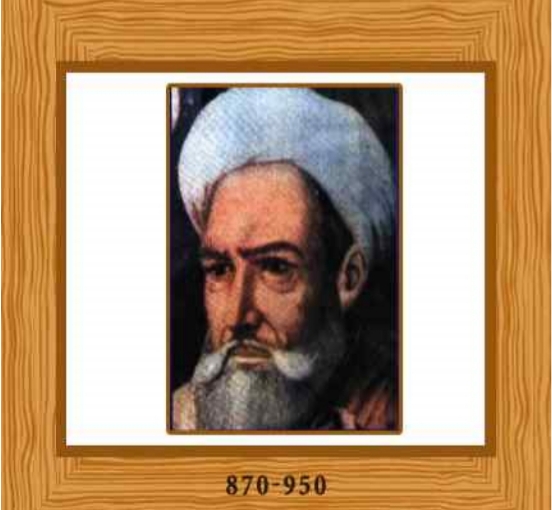
Abu Nasr Al-Farabi (872 – 950) :

Abu Nasr Muhammad al-Farabi was one the earliest Islamic intellectuals who was instrumental in transmitting the doctrines of Plato and Aristotle to the Muslim world. He had a considerable influence on the later Islamic philosophers such as Avicenna.

He was an outstanding linguist who translated the Greek works of Aristotle and Plato and made considerable additions to them of his own.

He earned the nickname Mallim-e-Sani, which is translated as “second master” or “second teacher”.

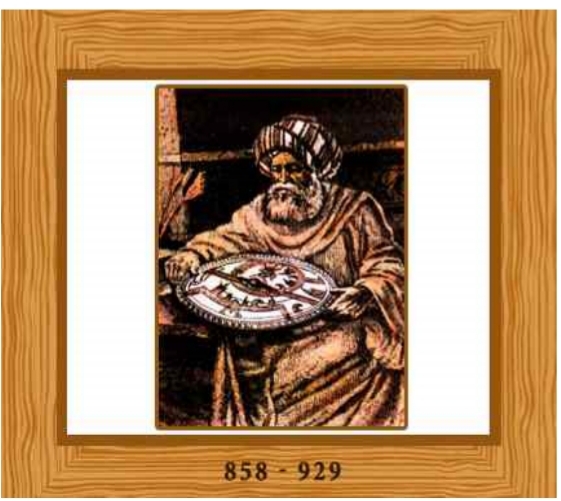
Al-Battani (858 – 929) :

Al-Battani is sometimes known by a Latinized version of his name, being Albategnius, Albategni or Albatenius. His full name was Abu Abdallah Mohammad ibn Jabir ibn Sinan al-Raqqi al-Harrani al-Sabi al-Battani.

Al-Battani’s father was Jabir ibn Sinan al-Harrani who had a high reputation as an instrument maker in Harran. The name makes the identification certain that al-Battani himself was skilled in making astronomical instruments and there is a good indication that he learnt these skills from his father.

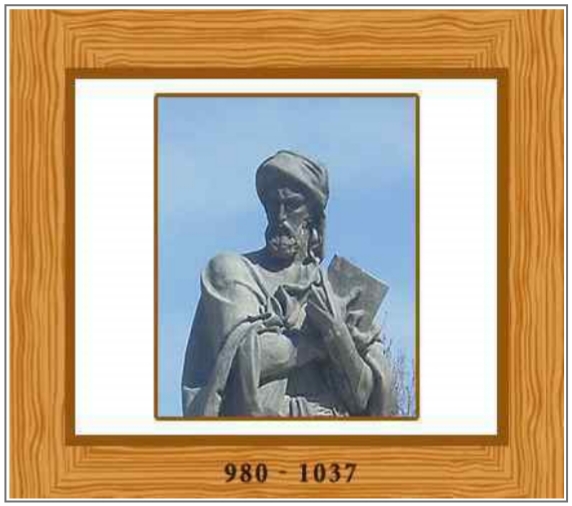
• Ibn Sina (980 – 1037) :

Also popularly known as ‘Avicenna’, Ibn Sina was indeed a true polymath with his contributions ranging from medicine, psychology and pharmacology to geology, physics, astronomy, chemistry and philosophy. He was also a poet, an Islamic scholar and theologian.

His most important contribution to medical science was his famous book Al Qanun Fi Al-Tibb (The Canon of Medicine). This book is an immense five volume encyclopedia of medicine containing over a million words. It comprises of medical knowledge available from ancient and Muslim sources. His other major work is “The Book of Healing”, a scientific and philosophical encyclopedia.

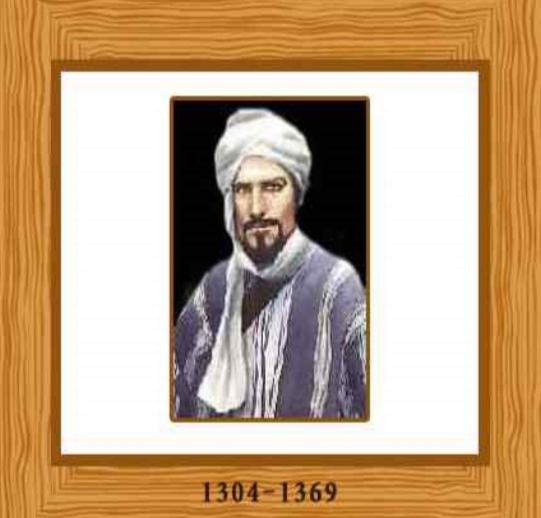
Ibn Battuta (1304 – 1369) :

Abu Abdullah Muhammad Ibn Battuta was a Moroccan Muslim scholar and traveler. He was known for his traveling and undertaking excursions called the Rihla. His journeys lasted for a period of almost thirty years, covering nearly the whole of the known Islamic world and beyond. They extended from North Africa, West Africa, Southern Europe and Eastern Europe in the West, to the Middle East, Indian subcontinent, Central Asia, Southeast Asia and China in the East, a distance readily surpassing that of his predecessors. After his travels he returned to Morocco and gave his account of the experience to Ibn Juzay.

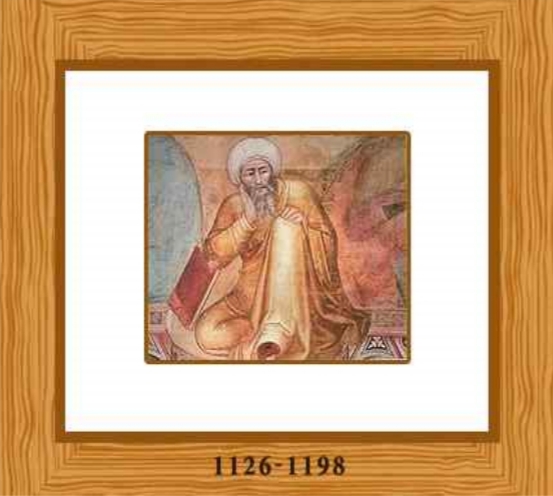
Ibn Rushd (1126 – 1198) :

Abu Walid Mohammad Ibn Rushd, born in 1128 C.E. in Cordova, Spain, has been held as one of the greatest thinkers and scientists of history. His name is often Latinized as Averroes. A product of twelfth-century Islamic Spain, he set out to integrate Aristotelian philosophy with Islamic thought. A common theme throughout his writings is that there is no inappropriateness between religion and philosophy when both are properly understood.

His contributions to philosophy took many forms, ranging from his detailed commentaries on Aristotle, his defense of philosophy against the attacks of those who condemned it as different to Islam and his construction of a form of Aristotelianism which cleansed it, as far as was possible at the time, of Neoplatonic influences.

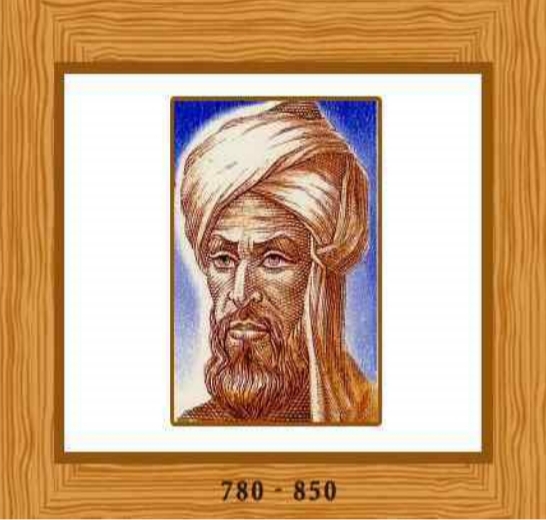
• Muhammad ibn Musa Al-Khwarizmi (780 – 850) :

Muhammad ibn Musa al-Khwarizmi was a Persian mathematician, astronomer, astrologer geographer and a scholar in the House of Wisdom in Baghdad. He was born in Persia of that time around 780. Al-Khwarizmi was one of the learned men who worked in the House of Wisdom. Al-Khwarizmi flourished while working as a member of the House of Wisdom in Baghdad under the leadership of Kalif al-Mamun, the son of the Khalif Harun al-Rashid, who was made famous in the Arabian Nights. The House of Wisdom was a scientific research and teaching center.

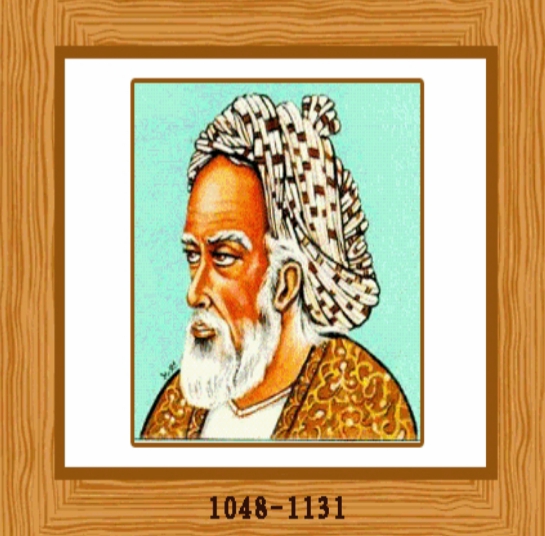
• Omar Khayyam (1048 – 1131) :

In the year 1072 AD, Omar Khayyam documented the most accurate year length ever calculated – a figure still accurate enough for most purposes in the modern world. Khayyam was an astronomer, astrologer, physician, philosopher, and mathematician: he made outstanding contributions in algebra. His poetry is better known in the West than any other non-Western poet.

The man himself remains something of an enigma. Different biographers have documented him as a fun-loving, wine-drinking agnostic; a closet Zoroastrian; a Sufi Muslim; an orthodox Sunni Moslem; and a follower of Ancient Greek philosophy. All agree that he was an outstanding intellectual.

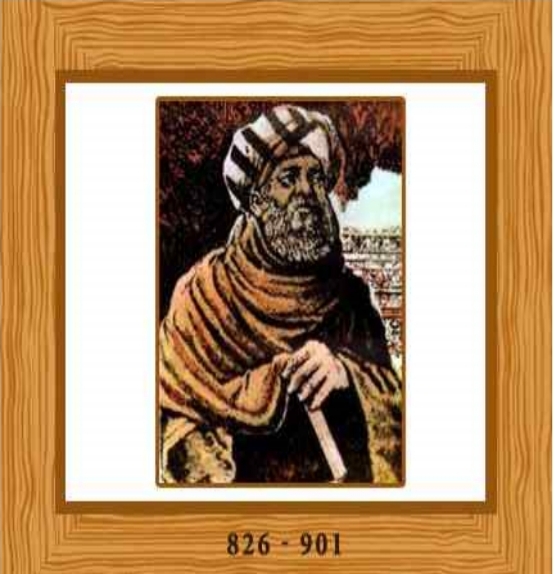
• Thabit ibn Qurra (826 – 901) :

Al-Sabi Thabit ibn Qurra al-Harrani (836 –901) was an astronomer and mathematician born in present day Turkey, best known for translating classic Greek works on astronomy, and discovered an equation for determining the amicable numbers. He was a Mandean physician, who was known as Thebit in Latin.

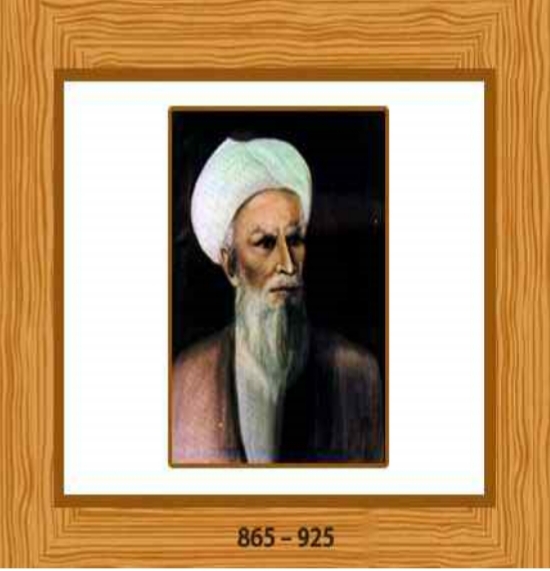
Abu Bakr Al-Razi (865 – 925) :

Also known as Rhazes. Persian alchemist and philosopher, who was one of the greatest physicians in history.

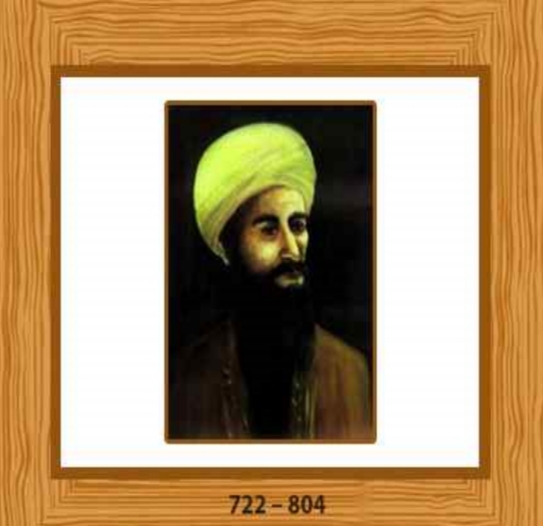
• Jabir Ibn Haiyan (722 – 804) :

Also known as Geber. The father of Arab chemistry known for his highly influential works on alchemy and metallurgy.

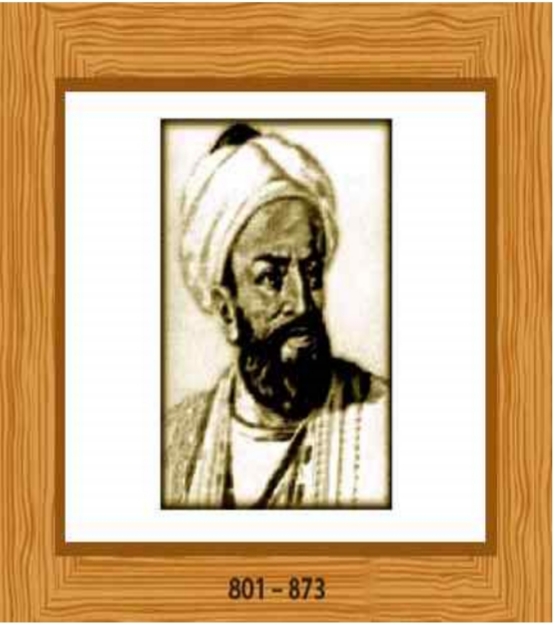
• Ibn Ishaq Al-Kindi (801 – 873) :

Also known as Alkindus. Arab philosopher and scientist, who is known as the first of the Muslim peripatetic philosophers.

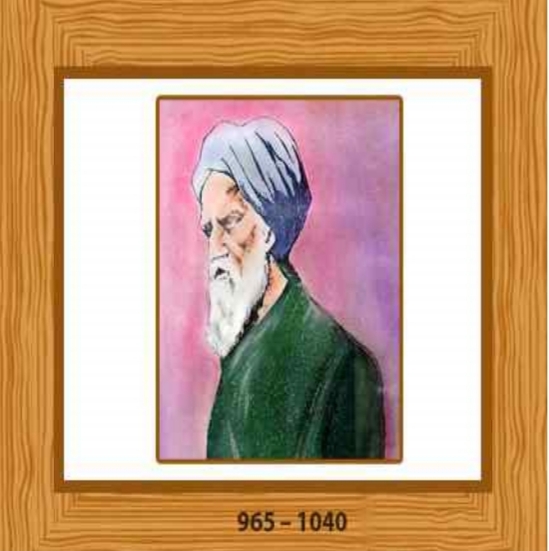
• Ibn Al-Haytham (965 – 1040) :

Also known as Alhazen. Arab astronomer and mathematician known for his important contributions to the principles of optics and the use of scientific experiments.

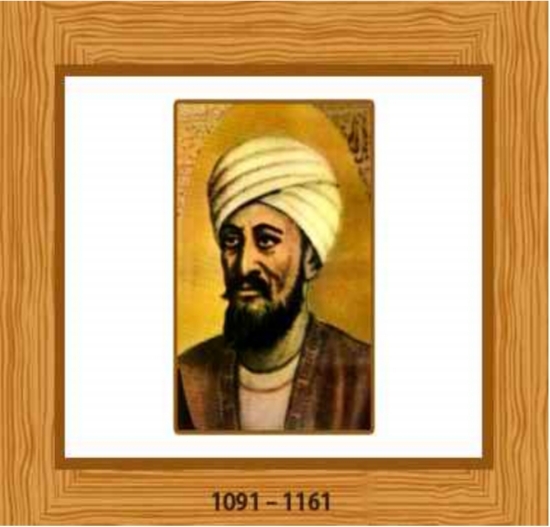
• Ibn Zuhr (1091 – 1161) :

Also known as Avenzoar. Arab physician and surgeon, known for his influential book Al-Taisir Fil-Mudawat Wal-Tadbeer (Book of Simplification Concerning Therapeutics and Diet).

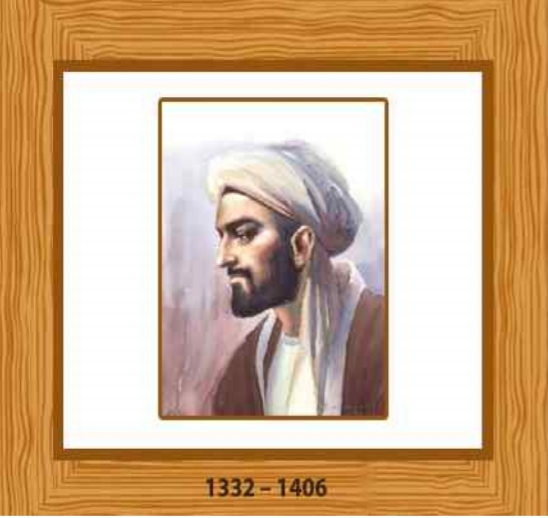
• Ibn Khaldun (1332 – 1406) :

Arab historiographer and historian who developed one of the earliest nonreligious philosophies of history. Often considered as one of the forerunners of modern historiography, sociology and economics.

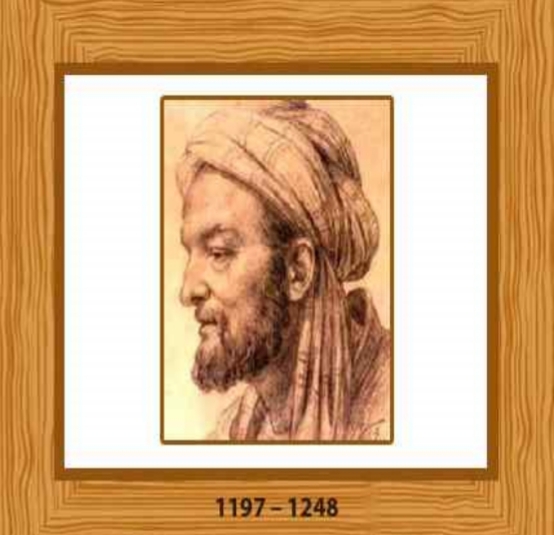
• Ibn Al-Baitar (1197 – 1248) :

Arab scientist, botanist and physician who systematically recorded the discoveries made by Islamic physicians in the Middle Ages.

Advantages & Disadvantages of Technology

Advantages Of Technology :

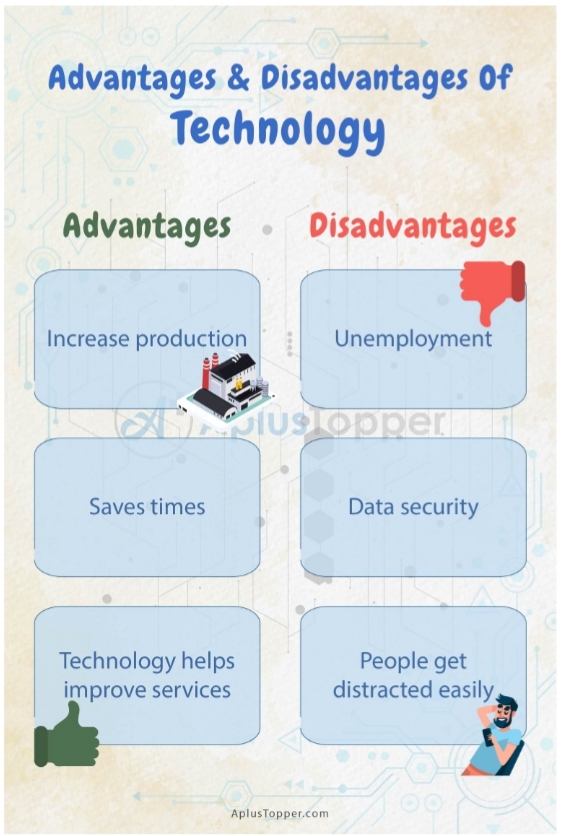
• Increase production : 

the technology helps increase production multiple times. Human efforts and energy of working are limited. But with machinery, the production can be multiplied the number of times as machines have the capability to perform better. The work done by the machine is more accurate and is done with perfection. All the products are alike, which is not possible in the case of human efforts. Technology has helped people make profits multiple times.

• Saves times : 

 today, time is money. Thus, technology helps to save a lot of time and increases efficiency and productivity. We can complete huge tasks within less time. Today everything is automated, and this technology helps to save a lot of time in doing things that are not possible by humans. Example: If you do not have the time to buy clothes, just shop online, and you will get the delivery at your doorsteps. Thus, it is through technology that one can use time on other important things.

• Technology helps improve services :

 in case you buy a television, and it stops after a few days. You need not worry as the TV is in the warranty period. You can simply call the company or its customer care and get your TV fixed. Thus, with a simple phone call or mail, things have become so easy.

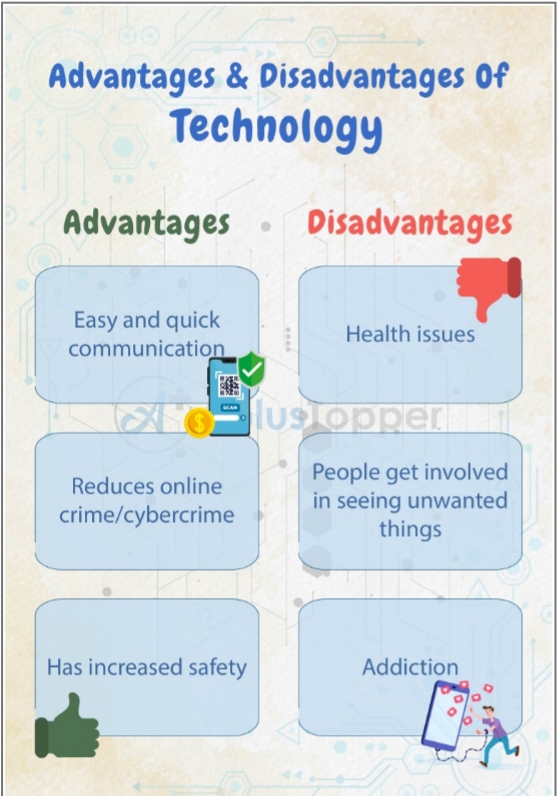
• Easy and quick communication :

 technology has made communication just a button away. With a click of a button, you can make calls, send emails, fax, order things online, and do a lot of things with the help of technology. Technology has helped us in giving better modes of communication. Now you don’t need to write letters to your loved ones if you are missing them. Do a video call and feel them close to you.

• Reduces online crime/cybercrime :

 today, the technology is so advanced that there are apps made to find fraud within seconds. Cyber-attacks have reduced as there are advanced algorithms made to detect any kind of cybercrime.

• Has increased safety : 

 technology has increased the safety of people. With the help of technology, there are CCTV cameras made that keeps your valuables at the shop and home safe. Everything is captured in the camera, and finding the thief becomes easy. Even our mobile phones, laptops, Godrej locker, have lock systems that keep our data and other valuables safe. You can use fingerprint, eye, or face recognition to open your phone, laptop, and other devices.

Disadvantages of Technology :

• Unemployment :

Technology has brought unemployment to a great extent with the advancement of technology. People are being dependent on computers for every work and also for their existence. This further has brought unemployment as a single computer is capable of doing the work of so many people that too in very less time.

• Data security :

Today, your data is not at all safe with you as there are people who know the use of technology and have become hackers. Using the latest technology, they can hack your computer, bank accounts, office data, and a lot more just by sitting at home. It has become risky to share OTP and other details online as the risk of fraud is high. Sharing a single piece of information online clearly means that there are vast chances of data reaching the hands of criminals, hackers, terrorists, and foreign enemies.

• People get distracted easily :

People get distracted easily by using different gadgets rather than going through something fruitful. There are social media that has kept youngsters, adults, and children engaged, and thus they get distracted from doing their daily chores. Kids find it hard to concentrate on their studies as most of them today own a laptop or a phone.

• Health issues :

People today are so obsessed with technology that they forget to care about their own health. This affects their health in different ways. They have eye-sight problems, obesity, insomnia, and a lot more. Some people cannot sleep without using their phones. Some cannot focus on their studies as they have a habit of checking their phone every now and then.

• People get involved in seeing unwanted things :

 due to the internet, people, especially students and youngsters, get involved in seeing the wrong apps. They are using apps that are not legal and are good for their growing minds. Things that are not pleasing become entertainment for some just because of the internet and technology.

• Addiction :

some people have an addiction to playing online games, using dating websites, watching a movie every night. There are people who have an addiction to gambling online which has its own diverse effects. In addition to anything, even technology is bad.

Conclusion on Advantages And Disadvantages of Technology :

Technology is there in everyone’s life. It affects you emotionally, physically, mentally, and environmentally. Technology makes the world a better place. It gives us the freedom to live in a better way and helps make our life easy. Technology helps in better communication, treatment of diseases, has helped reached space, and wherever you look around, it is there. It not only helps develop the present but also the future. Technology thus is an essential part of our lives and will also be the same, as it will be evolving day by day.

Top Technology Trends

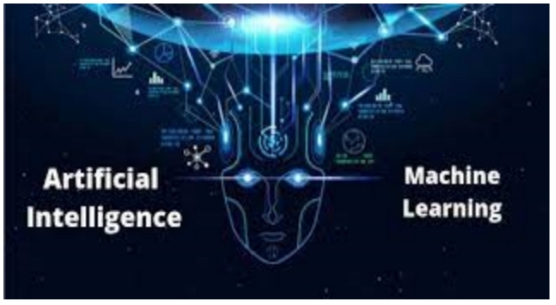
1. Artificial Intelligence (AI) and Machine Learning

Artificial Intelligence, or AI, has already received a lot of buzz in the past decade, but it continues to be one of the new technology trends because of its notable effects on how we live, work and play are only in the early stages. AI is already known for its superiority in image and speech recognition, navigation apps, smartphone personal assistants, ride-sharing apps and so much more.

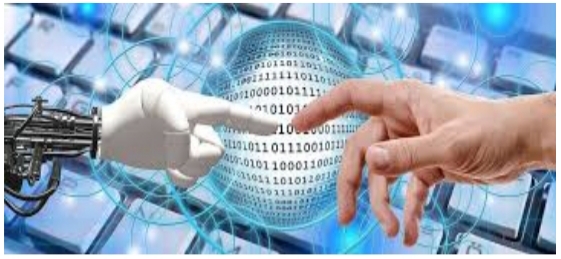
2. Robotic Process Automation (RPA)

Like AI and Machine Learning, Robotic Process Automation, or RPA, is another technology that is automating jobs. RPA is the use of software to automate business processes such as interpreting applications, processing transactions, dealing with data, and even replying to emails. RPA automates repetitive tasks that people used to do. 

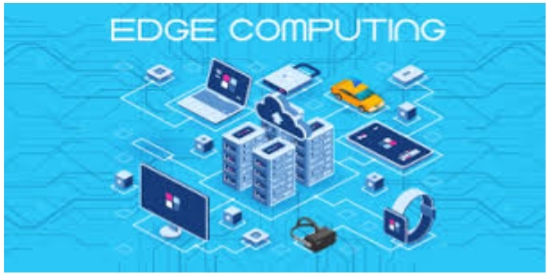
3. Edge Computing

 Edge computing is designed to help solve some of those problems as a way to bypass the latency caused by cloud computing and getting data to a data center for processing. It can exist “on the edge,” if you will, closer to where computing needs to happen. For this reason, edge computing can be used to process time-sensitive data in remote locations with limited or no connectivity to a centralized location. In those situations, edge computing can act like mini datacenters.

4. Quantum Computing

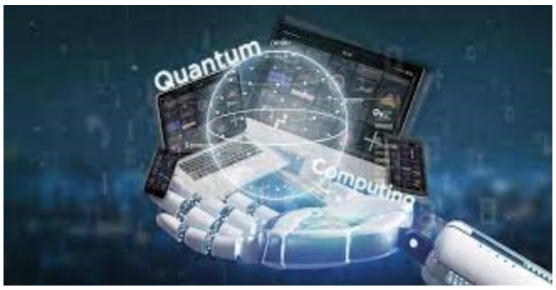
Quantum Computing is a form of computing that takes advantage of quantum phenomena like superposition and quantum entanglement. This amazing technology trend is also involved in preventing the spread of the coronavirus, and to develop potential vaccines, thanks to its ability to easily query, monitor, analyze and act on data, regardless of the source. Another field where quantum computing is finding applications is banking and finance, to manage credit risk, for high-frequency trading and fraud detection.

5. Virtual Reality and Augmented Reality

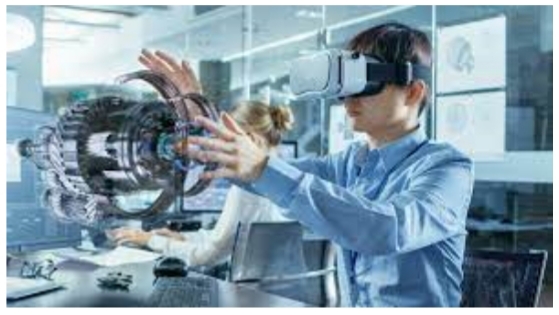
The next exceptional technology trend – Virtual Reality (VR) and Augmented Reality (AR), and Extended Reality (ER). VR immerses the user in an environment while AR enhances their environment. Although this technology trend has primarily been used for gaming thus far, it has also been used for training, as with VirtualShip, a simulation software used to train U.S. Navy, Army and Coast Guard ship captains.

6. Blockchain

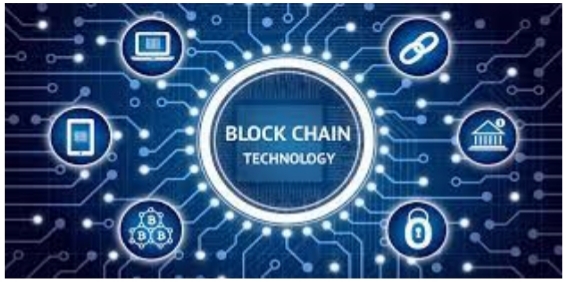
Although most people think of blockchain technology in relation to cryptocurrencies such as Bitcoin, blockchain offers security that is useful in many other ways. In the simplest of terms, blockchain can be described as data you can only add to, not take away from, or change. Hence the term “chain” because you’re making a chain of data. Not being able to change the previous blocks is what makes it so secure. In addition, blockchains are consensus-driven, so no one entity can take control of the data. With blockchain, you don’t need a trusted third-party to oversee or validate transactions.

7. Internet of Things (IoT)

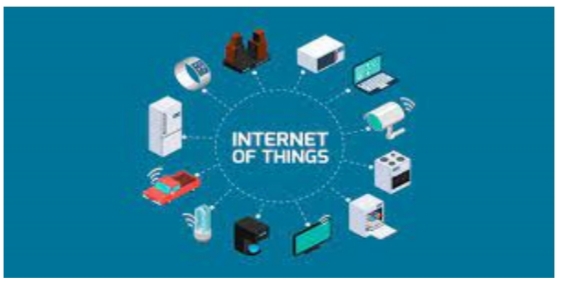
Another promising new technology trend is IoT. Many “things” are now being built with WiFi connectivity, meaning they can be connected to the Internet—and to each other. Hence, the Internet of Things, or IoT. The Internet of Things is the future, and has already enabled devices, home appliances, cars and much more to be connected to and exchange data over the Internet.

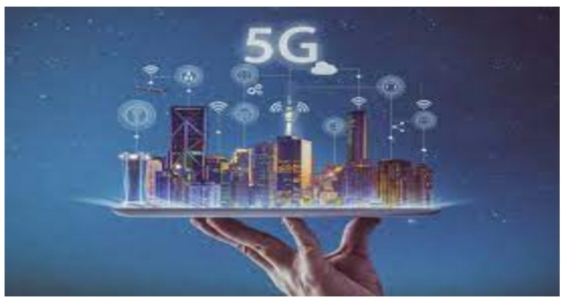
8. 5G

The next technology trend that follows the IoT is 5G. Where 3G and 4G technologies have enabled us to browse the internet, use data driven services, increased bandwidths for streaming on Spotify or YouTube and so much more, 5G services are expected to revolutionize our lives. by enabling services that rely on advanced technologies like AR and VR, alongside cloud based gaming services like Google Stadia, NVidia GeForce Now and much more. It is expected to be used in factories, HD cameras that help improve safety and traffic management, smart grid control and smart retail too.

9. Cyber Security

Cyber security might not seem like an emerging technology, given that it has been around for a while, but it is evolving just as other technologies are. That’s in part because threats are constantly new. The malevolent hackers who are trying to illegally access data are not going to give up any time soon, and they will continue to find ways to get through even the toughest security measures. It’s also in part because new technology is being adapted to enhance security. As long as we have hackers, cybersecurity will remain a trending technology because it will constantly evolve to defend against those hackers.

PARDAH :

1) Veil of the eyes :

The very first step of parda is “Aakhon ka parda” that means namehram men and women should bow their eyes whenever either of them are across each other.
In Chapter 24, known as an-Nur (the Light), in verse 30, Allah commands Prophet Muhammad as follows:


قُلْ لِلْمُؤْمِنِيْنَ يَغُضُّوْا مِنْ أَبْصَارِهِمْ وَ يَحْفَظُوْا فُرُوْجَهُمْ, ذَلِكَ أَزْكَى لَهُمْ.


“Say to the believing men that: they should cast down their glances and guard their private parts (by being chaste). This is better for them.”(24:30).

قُلْ لِلْمُؤْمِنَاتِ يَغْضُضْنَ مِنْ أَبْصَارِهِنَّ وَ يَحْفَظْنَ فُرُوْجَهُنَّ…  

    
“Say to the believing women that: they should cast down their glances and guard their private parts (by being chaste)…” (24:31).

2) Veil of the house :

Second step is ” Ghar ka parda” i.e who should be allowed to enter home and who should be barred .


‏ يٰۤـاَيُّهَا الَّذِيۡنَ اٰمَنُوۡا لَا تَدۡخُلُوۡا بُيُوۡتًا غَيۡرَ بُيُوۡتِكُمۡ حَتّٰى تَسۡتَاۡنِسُوۡا وَتُسَلِّمُوۡا عَلٰٓى اَهۡلِهَا ؕ ذٰ لِكُمۡ خَيۡرٌ لَّـكُمۡ لَعَلَّكُمۡ تَذَكَّرُوۡنَ‏


Believers! Enter not houses other than your own houses until you have obtained the permission of the inmates24 of those houses and have greeted them with peace. This is better for you. It is expected that you will observe this.

3) Veil of the woman :


In Islam women are looked upon as an idol of grace and elegance. Unlike men she is not treated as rough and tough. It is said in Islam ” A women should be treated as fragile “( but remember she is not fragile) . So in that respect, it has been asked women to maintain the aura and modesty, by covering herself entirely so that no random person ( namehram be it a male or a female) could come across and get entertained after observing her beauty.


وَ لاَ يُبْدِيْنَ زِيْنَتَهُنَّ إِلاَّ مَا ظَهَرَ مِنْهَا وَ لْيَضْرِبْنَ بِخُمُرِهِنَّ عَلىَ جُيُوْبِهِنَّ…
“…and not display their beauty except what is apparent, and they should place their khumur over their bosoms…” (24:31).

THE SIX POINT CRITERIA FOR PARDAH :


Based on the Qur’an and Sunnah (the teachings of the prophet Muhammad peace be upon him) there is a six point criteria for observing hijab correctly:

The first criterion is the extent of the body that should be covered. This is different for men and women. The extent of covering obligatory on the male is to cover the body at least from the navel to the knees. For women, the extent of covering obligatory is to cover the complete body except the face and the hands up to the wrist. If they wish to, they can cover even these parts of the body.
All the remaining five criteria are the same for men and women.

The clothes worn should be loose and should not reveal the figure.
The clothes worn should not be transparent such that one can see through them.
The clothes worn should not be so glamorous as to attract the opposite sex.
The clothes worn should not resemble that of the opposite sex.
The clothes worn should not resemble that of non-Muslims i.e. they should not wear clothes that are specifically identities or symbols of other religions.
Hijab includes conduct and behaviour among other things. Complete ‘hijab’, besides the six criteria of clothing, also includes the moral conduct, behaviour, attitude and intention of the individual. A person only fulfilling the criteria of ‘hijab’ of the clothes is observing ‘hijab’ in a limited sense. ‘Hijab’ of the clothes should be accompanied by ‘hijab’ of the eyes, ‘hijab’ of the heart, ‘hijab’ of thought and ‘hijab’ of intention. It also includes the way a person walks, the way a person talks, the way he behaves, etc.

In conclusion, the hijab is a protection for both men and women.