Technology is the sum of any techniques, skills, methods, and processes used in the production of goods or services or in the accomplishment of objectives, such as scientific investigation.
What is the importance of technology ?
Technology brings processes, and tools together, information exchange to promote development for the betterment of mankind. It helps people to solve their problems, reduce excess time, save lives, and help to interact and exchange information.
Information Technology (IT) commonly deals with computers and computer networks, it also incorporates other information distribution technologies such as telephones, television, and the Internet.
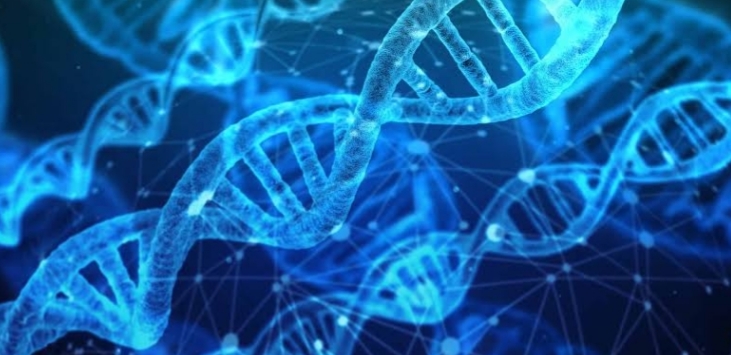
Biotechnology utilizes biological systems and living organisms to develop different products. It covers a wide range of disciplines, from genetics and biochemistry to molecular biology.
Applications: Use of microorganisms for creating organic products like milk and baking bread, extraction of metals from their ores through the use of living organisms (bioleaching), production of biological weapons.
3. Nuclear Technology …
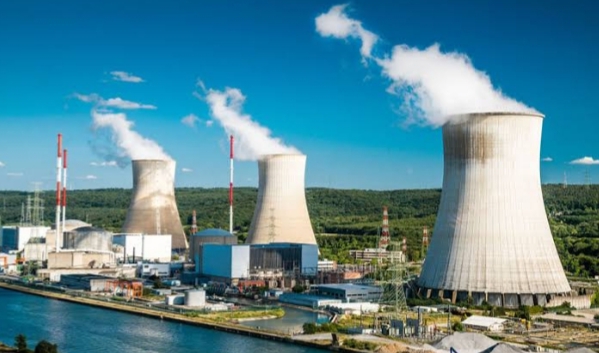
Nuclear technology involves all techniques that manipulate/control such changes in the nucleus of some specific elements and transform them into usable energy.
Applications: Production of electrical energy, radiotherapy, smoke detectors, sterilization of disposable products, Radioisotope Thermal Generators used in space missions.
4. Communication Technology …
Communication technology involves converging audiovisual and telephone networks with computer networks through a unified system of cabling or link.
Applications: LAN (Local area network), videotext, teletext, Internet, wireless information transfer, GPS.
5. Electronics Technology …
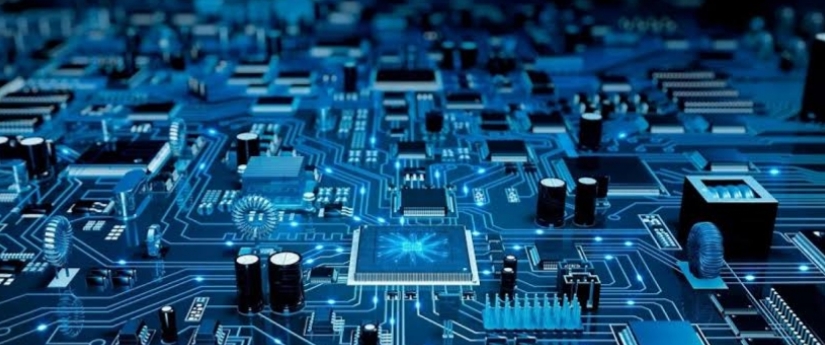
Electronics deals with everything the involves emission, flow, and control of electrons in vacuum and matter. An electronic component can be any physical entity (such as capacitor, resistors, inductors, diodes, and transistors) in a system that affects the electrons or their associated fields in a way consistent with the intended operation of the electronic system.
Applications: Computers, smartphones, digital camera, RADAR (Radio Detection And Ranging), power suppliers, multimeters, interactive Sensors.
6. Medical Technology …
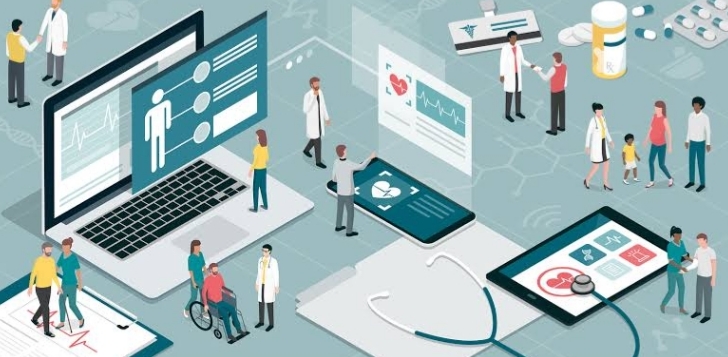
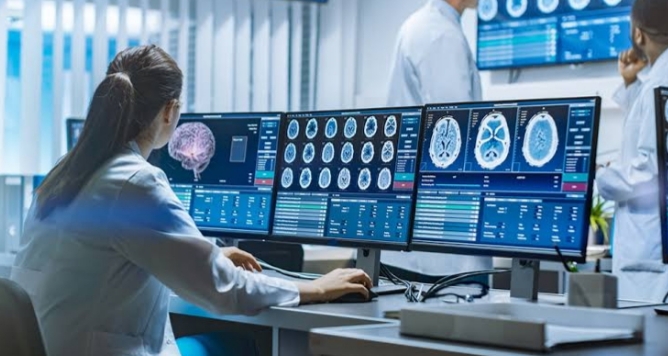
Medical technology is often defined as the application of science to build solutions to prevent disease, injury, or other health problems. This may include detecting diseases through advanced machines, methods to treat patients, and monitoring of good health.
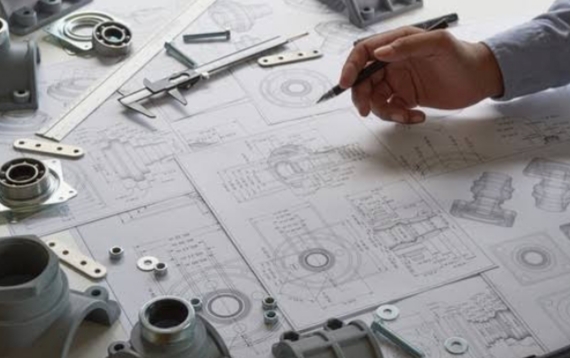
Mechanical technology deals with the techniques of putting together mechanical parts and materials to build functional structures and control or transmit motion.
Applications: Cars manufactured by using mechanical robots, 3D printers, Power plants.
8. Materials Technology …
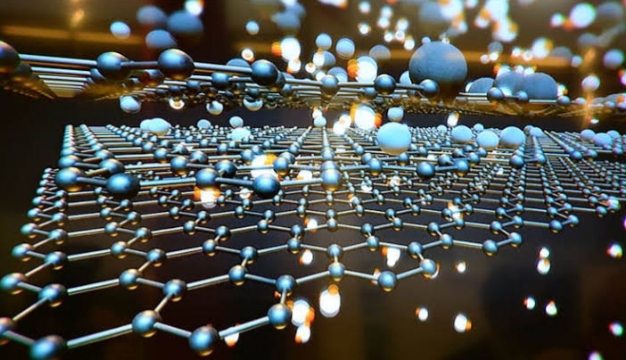
Materials technology is a comprehensive discipline that involves choosing materials with properties that best meet the requirements of a target application. It may also include maintaining the performance of materials during the life of a machine by resisting fatigue, corrosion, and other damages.
Applications: Piezoelectric materials used in micro-thrusters for satellites, self-healing coatings used to protect metal products.

 Technology